
You post regularly, you take care of your visuals, you share your news… and yet, nothing really takes off.
It's not a problem of regularity.
It's a problem of strategy.
In 2026, audiences are saturated with promotional content.
They don't lack information, they lack reasons to connect with someone.
And that's exactly where most brands, talents, and project leaders miss something essential.
Pierre Niney, promoting his film Gourou, captured the attention of hundreds of thousands of people… by almost never talking about the film.
By the end of this article, you'll understand why this approach works and how to adapt it to your situation, whether you're an actor, director, or startup founder.
Because building your online reputation is no longer about broadcasting. It's about existing.
Why 2026 changes the rules of the game
The average attention span for promotional content continues to decline.
According to the TGI study by Kantar Media published in April 2025, based on 15,000 French people, 47% of internet users say they never watch ads displayed on social media. Only 6% say they are always attentive.
Advertising saturation is no longer a future threat: it is already here, everywhere, all the time.
In this context, audiences are no longer looking to be informed about the existence of a project. They seek to feel something about a person or a brand.
This shift is fundamental: it is no longer about capturing attention on a product, but about creating an attachment to a personality.
The human brain is wired to retain emotions and stories, not messages.
Neuromarketing has documented this for years.
What Pierre Niney intuitively understood, neuroscience explains clearly: we remember those who make us feel something, not those who sell us something.
What Pierre Niney does differently
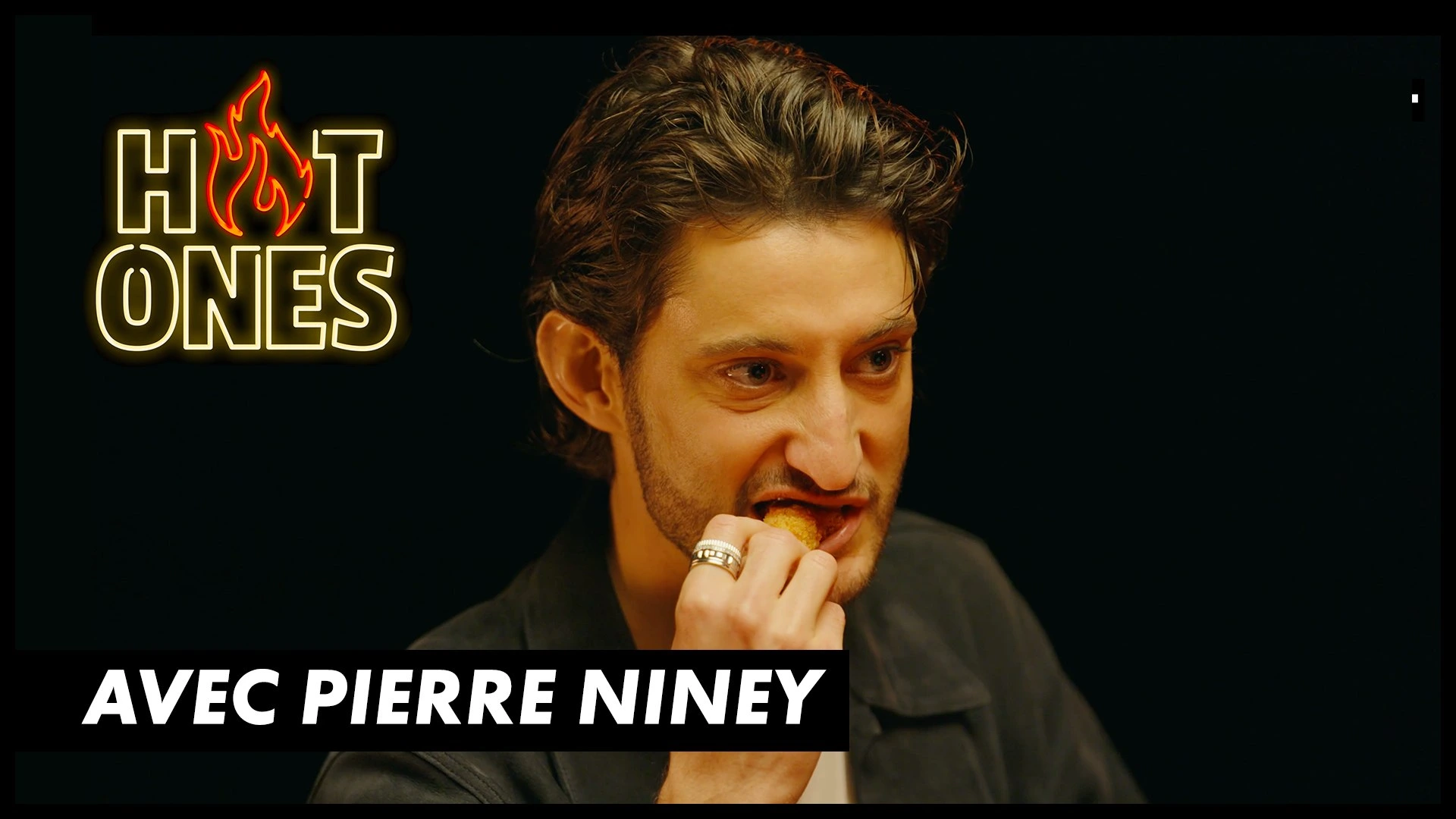
He chooses the right channels, not the most obvious ones
To promote Guru, Pierre Niney found himself in unexpected spaces for a mainstream movie actor: the podcast A Good Time by Kyan Khojandi, Small Talk with David Castello-Lopes, Amixem's YouTube channel, and Hugo Décrypte's.
These formats have in common that they are perceived as authentic by their audiences.
These are not classic promotional interviews in a plush studio. They are long conversations, often funny, sometimes intimate, where the interviewee exists outside of their role.
To remember
choosing channels where you can exist as a person, not as an ad, radically changes how you are perceived.
He talks about the film without promoting it.
90% of the time spent in these formats, Pierre Niney does not talk about Gourou directly. He talks about the script, his working methods, his influences, and what led him to choose this role.
He parodies morning routines. He creates small absurd scenes that have nothing to do with the film.
The result?
People share this content because it amuses or touches them, not because they want to "support the promo" of a film.
And yet, with each share, the name Pierre Niney and the title Gourou circulate.
This is what is called in emotional marketing the principle of affective contamination: when you associate your name with a positive emotion (laughter, surprise, curiosity), that emotion gradually transfers to everything you produce, including your main project.
The off-topic as a memory anchoring strategy
A cooking tutorial while you are acting in a thriller. An absurd micro-episode unrelated to your field. An offbeat stance on a daily topic.
These "off-topic" contents serve a specific function: they create unexpected touchpoints that break from the usual flow.
The brain, confronted with something unexpected, mobilizes its attention. It stops. And it remembers.
This mechanism is called the oddity effect, well documented in cognitive psychology. Information that does not fit usual patterns is encoded more deeply in memory.
The off-topic, used coherently, paradoxically becomes a very powerful lever of memorability.
In practice
a strong and consistent personality, even in seemingly innocuous content, acts as a memorable signature. The audience does not remember the film announcement. They remember Pierre Niney.
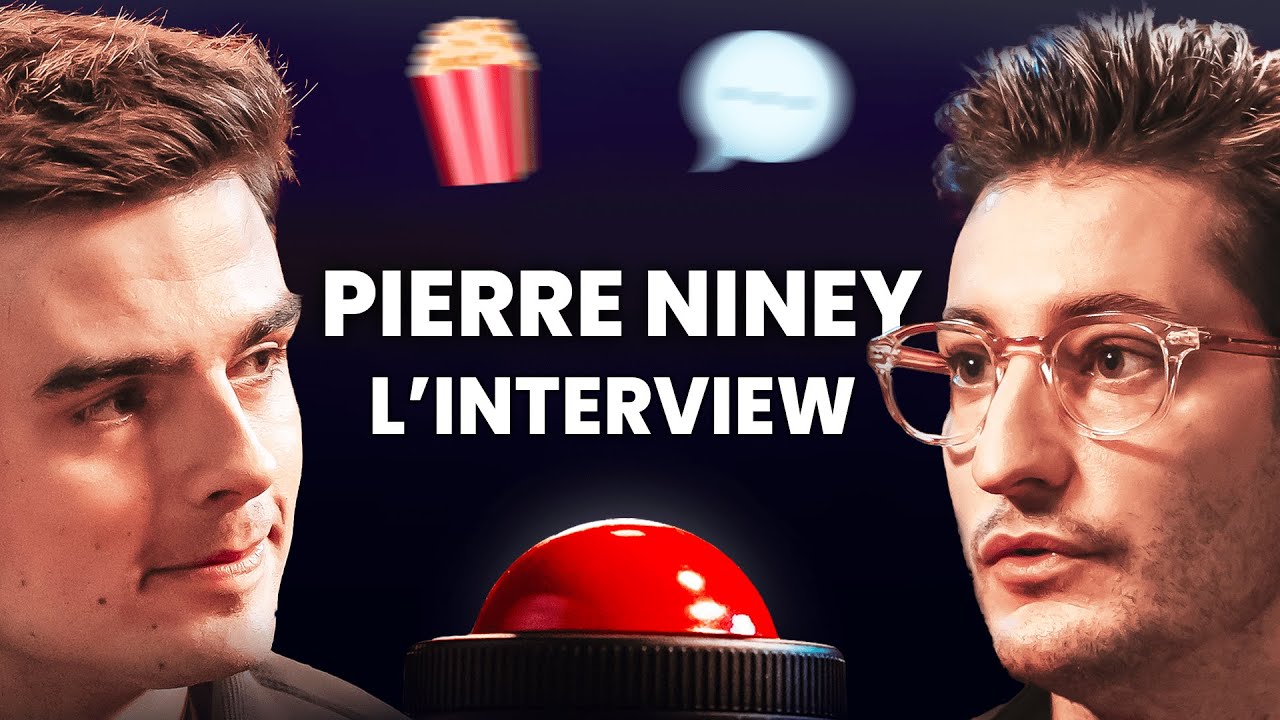
Two options, one winner
When facing a launch or a branding campaign, you generally have the choice between two approaches.
Option A : concentrer tous tes efforts sur la promotion directe. Posts, interviews, trailers, stories, répétition du message. C'est la mécanique classique. Elle a l'avantage d'être mesurable et rassurante. Elle a l'inconvénient de ressembler à tout ce que les audiences ignorent déjà.
Option B : créer des points de contact inattendus, drôles ou surprenants, qui n'ont pas l'air de faire la promotion de quoi que ce soit. C'est moins confortable, car les résultats sont moins immédiats. Mais c'est cette approche qui génère des conversations organiques, de la mémorabilité et, à terme, une notoriété qui ne dépend pas d'un budget publicitaire.
The difference between the two is not measured in raw reach.
It is measured in attachment and memory.
How to adapt this strategy to your situation
If you are talent (actor, director, artist)
Identify two or three personal interests that have no direct relation to your current project: cooking, sports, reading, absurd humor, secret passion for documentaries about ants: it doesn't matter.
These are the elements that will build your public personality beyond your role.
Incorporate this content into your online presence at about one-third of your total output.
No more, to remain consistent. No less, for it to have a real impact.
If you are a brand or a start-up
The principle is the same, but applies to your editorial positioning. A start-up in finance can publish quirky content about the classic mistakes of founders.
A production company can stage the absurd behind-the-scenes of a shoot.
The goal is not to entertain for the sake of entertaining.
It is to create moments where your audience interacts with you outside of any purchasing or decision-making context.
These moments strengthen familiarity, and familiarity is one of the most powerful predictors of trust.
To remember
Online notoriety is not built by shouting louder than others. It is built by being more memorable, more human, and more unexpected.
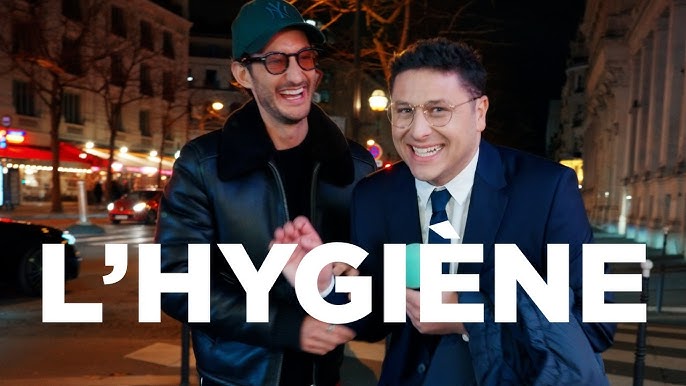
Try it now
- Open the network where you are most active. Identify your next planned content.
- Now, ask yourself: can this content exist independently of my project? Would someone share it even if they didn't know my work?
- If the answer is no, rephrase it. Add an unexpected angle, a personal anecdote, an element of surprise. The underlying message remains the same. The form becomes memorable.
Do this exercise on a single piece of content, now, before moving on to something else.
Conclusion
In 2026, online notoriety does not reward those who talk the most about their project. It rewards those who make their personality exist before their promotion.
Pierre Niney understands this better than many seasoned marketing teams.
To go further on the distinction between building a brand image and developing your personal presence, check out the article What is the difference between Branding and Personal Branding? available on our blog.
Do you want to work on your notoriety strategy with a tailored approach?
FAQ
Online notoriety refers to the ability of a person or a brand to be recognized, mentioned, and spontaneously recommended on digital platforms.
In 2026, with the saturation of promotional content, it becomes the main differentiating factor between projects that break through and those that go unnoticed.
The most effective strategy without a budget relies on creating memorable content that exists independently of any promotion.
Humor, authentic behind-the-scenes, quirky stances: these formats generate organic sharing and build a lasting attachment to your personality or brand.
Off-topic activates the documented oddity effect in cognitive psychology: the brain retains better what does not fit its usual patterns.
Unexpected content creates a memorable touchpoint, and this memorability transfers to your entire presence, including your main projects.
Personal branding is a constructed and driven strategy: you define an image, a positioning, a message.
Online notoriety is the perceived result of this strategy by others.
One is intention, the other is impact. The two are linked, but do not confuse them.
There is no universal timeline, but strategies based on authenticity and consistency show tangible results in three to six months of coherent production.
Consistency takes precedence over frequency: it is better to have three truly memorable pieces of content per month than twenty generic posts per week.