
It all started with this little phrase:
"No need forbranding, I already dopersonal branding.."
Do you know the differences between these two strategies?
Get comfortable, I'll explain in a few words.
1. Personal branding
It is the art of promoting one's own image and positioning oneself as a personal brand.
In summary: the brand is aperson; a professional, an influencer, an entrepreneur.
The goal of personal branding is to enhance credibility, create career opportunities, and build a professional network.
The professional or entrepreneur relies more on professional social networks (like LinkedIn), personal blogs, networking, and conferences.
We talk about personal branding for more authentic, human, and personal profiles. It involves sharing stories, experiences, and one's vision on various topics.
The strategy mixes professional content with personal elements, such as anecdotes, successes, and lessons learned to create and strengthen an emotional connection with the target audience.
Personal branding evolves with the individual. It can change over the course of professional and personal experiences, allowing flexibility in content creation.
Here is an example of personal branding that we love here at Éclats:
Léna Mahfouf(also known as Léna Situations)

(Source: Thumbnail from Léna Situations' Draw My Life video)
Known for her August vlogs but also for her content around fashion, she shares her daily life spontaneously and without taboos.
We find her sometimes well-dressed at theMet Gala, sometimes in pajamas,at home; Léna continues to convey positivity and kindness to her audience.
Over the years, her confessions have helped solidify her position on social media and have developed her notoriety across the globe.
Patience and perseverance for this inspiring entrepreneur!

(Source: Léna Situations by QG France)
2. Branding
It corresponds to all actions to create, develop, and manage the image of a brand (the company, products, or services).
In summary:The brand is a commercial entity or organization.
Branding aims to establish a strong brand identity that influences customer perception, enhances awareness, and supports sales growth.
Various communication channels are used such as advertising, social media, email campaigns, and events.
Each brand has its own tone and approach. Here, branding is generally more neutral, more professional. Consistency with the company's identity and values is sought.
The company has direct control over how it is perceived, thanks to marketing strategies. Several methods are used to segment targets and understand their needs.
A company's brand can evolve independently of the individuals who make it up and can last for several generations.
A well-known example?
Coca-Cola!
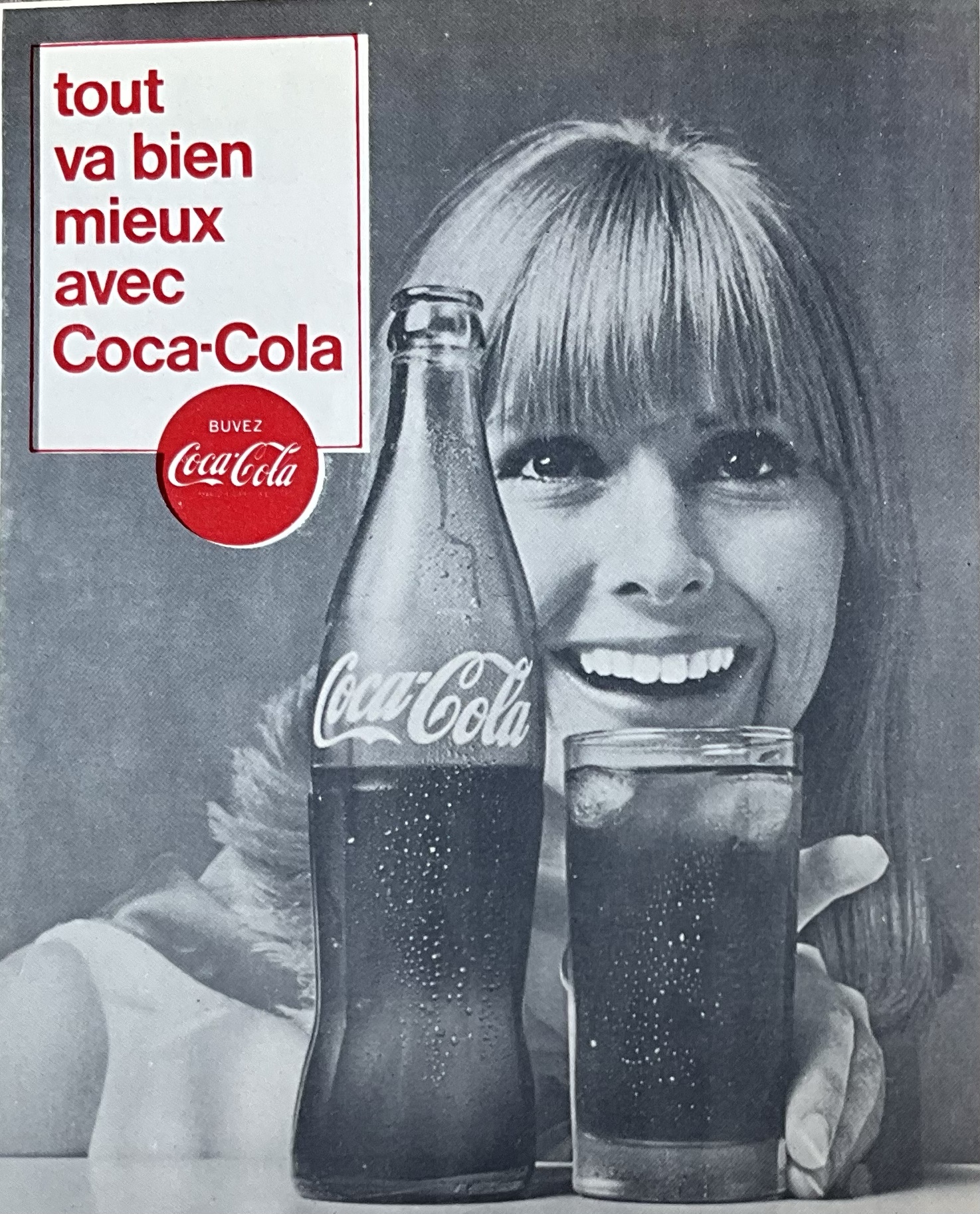
(Source: Coca-Cola Association)
No need to introduce this consumer giant; it has become a staple in the market.
How? Its message resonates strongly with its audience.
"Everything is better with Coca-Cola."
The brand's slogans touch the emotions of its consumers, thus creating a strong emotional bond.

(Source: PaperGeek)
On every occasion, Coca-Cola invites itself alongside its consumers.
They have become essential to daily life and well-being, adding thatvital touch of positivity.
Now it's your turn to stand out 🚀